What Is an Anion Gap Calculator Used For
What the Anion Gap Measures
An anion gap is a calculated value that helps clinicians assess the balance between primary electrolytes in the blood. It is based mainly on sodium, chloride, and bicarbonate, which are commonly reported on standard blood chemistry tests. Even though the number itself is calculated, it can highlight important clues about an acid-base imbalance or a wider metabolic disorder.
The main idea is simple: blood contains positively charged particles and negative ions, and these should remain in a fairly consistent balance. The anion gap calculator estimates the difference between measured cations and measured anions. A change in that difference can suggest the presence of unmeasured anions in the bloodstream.
Clinicians use this result as part of clinical assessment and lab interpretation, especially when they need to understand whether a patient’s acid-base balance is changing in a dangerous direction. The anion gap is not a single diagnosis, but it is a useful diagnostic tool that adds context to other serum electrolytes and blood chemistry results.
How an Anion Gap Calculator Is Used
An anion gap calculator is applied to efficiently calculate anion gap from values already listed in a serum chemistry panel or a basic metabolic panel. These lab panels are frequent forms of blood test reporting, and they offer a practical snapshot of key blood chemistry markers. The calculator uses the reported numbers and generates an anion gap result that can be checked during medical interpretation.
In practice, the calculator is often used during a physician evaluation when a patient has unexplained symptoms, abnormal labs, or concern for an acid-base problem. It helps structure the next steps in a metabolic acidosis workup by showing whether the issue may suggest excess acids, a loss of bicarbonate, or another shift in serum electrolytes.
Some calculators also help users understand normal values by comparing the result with a reference range. This can be helpful for anyone trying to make sense of a lab panel, although final test interpretation should always be done in context. The number is most relevant when combined with symptoms, other lab data, and the overall clinical picture.
For what reason Clinicians Prescribe an Anion Gap Test
Medical professionals prescribe an anion gap test to evaluate metabolic acidosis and various forms of acid-base balance imbalance. A elevating or decreasing anion gap can suggest an underlying issue that is not easily seen from symptoms alone. Because the result reflects how measured ions relate to each other, it can help detect an electrolyte imbalance that may otherwise be missed.
That is especially important when a person appears ill, has altered breathing patterns, or has lab findings that point to a broader metabolic issue. The anion gap is often one piece of a larger workup that may include repeat blood testing, kidney markers, glucose levels, and a blood gas. Together, these findings support more accurate diagnosis and treatment planning.
Another reason the test is ordered is to help assess kidney function. The kidneys help regulate acid and electrolyte levels, so reduced function can change the balance of acids and bases in the blood. When kidney performance declines, the anion gap may go up as acids accumulate or may help confirm that something more than simple dehydration is happening.
How High and Low Anion Gap Findings Can Indicate
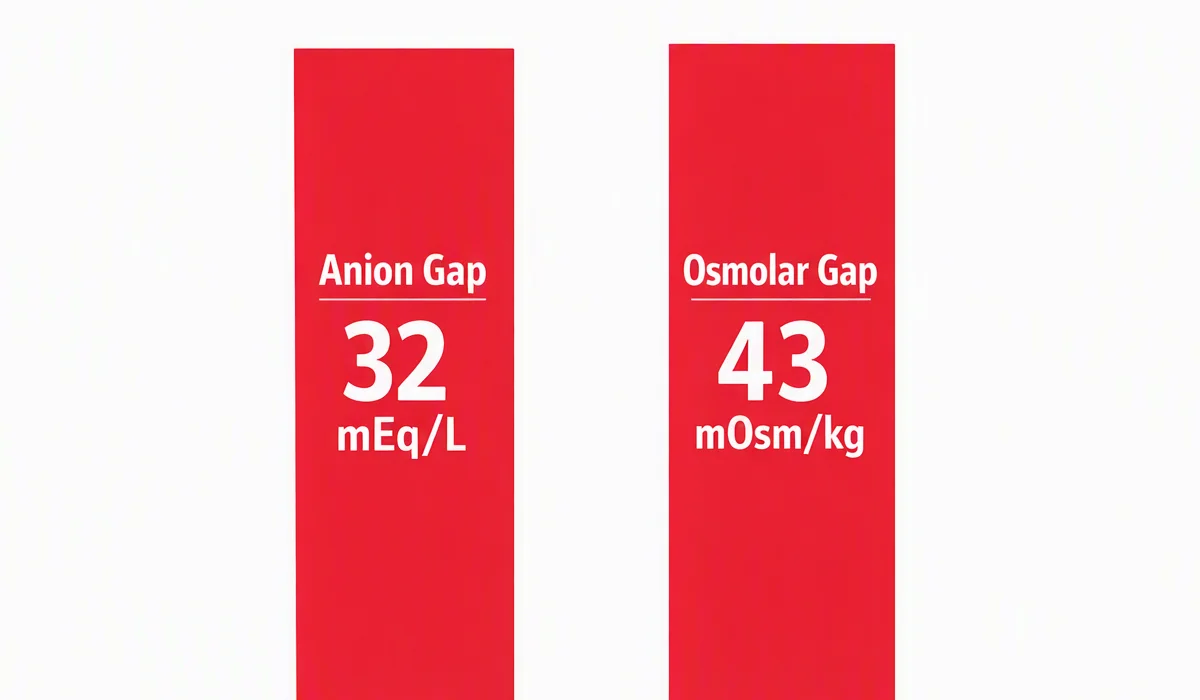
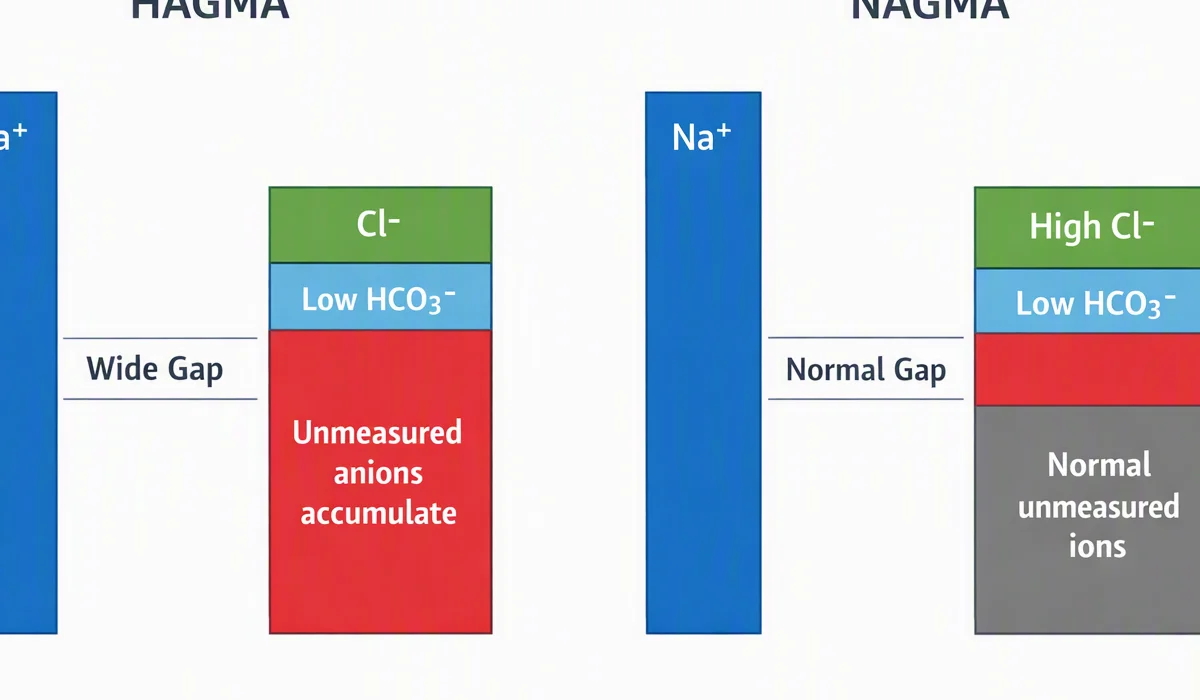
A elevated anion gap usually means there are excess acids in the blood or that not directly measured substances are affecting the calculation. This is frequently a sign of a important acid-base problem and can help clinicians identify conditions such as lactic acidosis, diabetic ketoacidosis, or other illnesses that produce acid rapidly. A high result does not name the cause by itself, but it can narrow the differential diagnosis.
A low anion gap is uncommon, but it can be just as significant to notice. It may occur when albumin is low, when lab values are affected by procedural or measurement issues, or when other substances are influencing the balance of charges in the blood. In some cases, a low result is a clue to a hidden condition; in other cases, it is a temporary finding that requires confirmation.
Both results need careful context. A single number should not be treated as a diagnosis. Instead, it is one data point used in lab interpretation, especially when the clinician is trying to understand an unexplained anion gap result in relation to symptoms, other chemistry values, and the patient’s overall condition.
Common Causes of a Raised Anion Gap
A common reason of an elevated anion gap is diabetic ketoacidosis, a major complication of diabetes in which acidic ketones gather in the blood. Another cause is exposure to toxins, which can introduce or trigger acids that shift the expected electrolyte relationship. Such causes are especially important because they may require urgent evaluation and treatment.
Lactic acidosis is a further major cause of an abnormal result. It can develop when tissues do not get sufficient oxygen or when severe illness affects how the body produces and clears lactate. This condition is often seen with infection, shock, or other critical illnesses, and it is a key reason clinicians monitor the anion gap in acute care.
Albumin also is important because it is a major negatively charged protein in the blood. When albumin is low, the anion gap may look lower than expected even if an https://anion-gap-help801.evergrovio.com/posts/anion-gap-calculator-with-corrected-sodium acid-base problem is present. In addition, kidney disease and renal failure can cause abnormal retention of acids, shifting the result upward. Because of that, clinicians frequently interpret the anion gap alongside kidney labs and the patient’s history.
How to Read the Finding with Related Labs
Understanding the outcome correctly starts with the anion gap formula, which uses sodium, chloride, and bicarbonate to calculate the discrepancy between measured cations and anions. But the formula alone is not adequate. Clinicians often check a blood gas to see whether the patient is acidotic or too alkaline and to understand how well breathing and metabolism are compensating.
Potassium may also be assessed, even though it is not always part of the standard formula. It can help clarify the broader electrolyte pattern and may influence the full clinical picture. In some situations, the lab panel includes enough information to indicate an answer quickly; in others, the pattern is subtle and requires more workup.
Albumin correction is especially useful when albumin is abnormal. A corrected anion gap can give a more accurate estimate of whether the true gap is elevated. This matters because low albumin can mask an otherwise meaningful abnormality. By applying albumin correction, clinicians improve the quality of medical interpretation and lower the chance of missing a serious disorder.
In short, the anion gap should be read as part of a full lab panel, not as a stand-alone finding. The best interpretation comes from combining the result with symptoms, history, and other data from the serum chemistry panel or basic metabolic panel.
Whenever an Anion Gap Result Calls for Medical Attention
An abnormal anion gap needs follow-up when it appears with concerning symptoms or when the overall clinical picture suggests a significant metabolic problem. Symptoms such as confusion, rapid breathing, severe weakness, retching, or serious illness can indicate that the body is struggling to maintain normal acid-base balance. In these cases, the lab result may be an early warning sign rather than a basic abnormality on paper.
Emergency care may be needed if the abnormal result is paired with signs of shock, severe dehydration, altered mental status, or suspected poisoning. Conditions like sepsis can also drive major changes in the anion gap, especially when lactic acidosis develops. In such situations, the number helps support rapid diagnosis and treatment, but it should never delay urgent clinical action.
Dehydration can also affect the lab picture, sometimes making abnormalities look more pronounced. Even if a result turns out to be temporary, it is worth reviewing when the patient has symptoms or abnormal findings that do not fit a clear explanation. A clinician may repeat testing, order a blood gas, or evaluate for kidney involvement and other causes of acid-base disturbance.
Frequently Asked Questions Regarding Anion Gap Calculators
What does an anion gap calculator tell you
An anion gap calculator gives you the calculated difference between main measured electrolytes in the blood, primarily sodium, chloride, and bicarbonate. It can indicate whether there may be extra acids or other unmeasured substances affecting the blood’s acid-base balance. Clinicians rely on it as a diagnostic tool to support lab interpretation and guide next steps.
What is a normal anion gap range?
The normal range can vary a bit depending on the lab and the formula used, so the reference range on the report matters. Because of that variation, it is best to use the specific range shown with the lab values rather than assuming one universal number. The most important question is whether the result is within that lab’s normal values.
Does a high anion gap always mean a serious problem?
Not always, but it can point to a significant issue that deserves prompt evaluation. A high anion gap is often seen with metabolic acidosis, lactic acidosis, diabetic ketoacidosis, kidney disease, or toxins. The seriousness depends on the full clinical context, including symptoms, the blood gas, and other abnormal labs.
Can a low anion gap be harmless?
Yes, sometimes a low anion gap is temporary or related to a non-dangerous lab variation. However, it can also occur when albumin is low or when another condition is affecting the calculation. If the result is unexpectedly low, clinicians may repeat the test and review the full lab panel to make sure nothing important is being missed.
Why is albumin important when interpreting the anion gap?
Albumin is important because it carries a negative charge and has a major effect on the anion gap result. When albumin is low, the gap may appear lower than it really is, which is why albumin correction can be useful. A corrected anion gap gives a more accurate view of whether there is a true acid-base disorder or an unmeasured anion problem.