Can Hypermagnesemia Lower the Anion Gap?
What the Anion Gap Measures
The anion gap is a derived value that enables clinicians evaluate serum electrolytes and identify an acid-base disorder. It is usually derived from the measured concentrations of sodium, chloride, and bicarbonate. Because it contrasts major measured ions with the ions not routinely reported, it gives helpful insight into acid-base balance and possible metabolic problems.
In plain terms, the anion gap represents the difference between the main positively charged and negatively charged ions in the blood. Sodium is the main measured cation in most panels, while chloride and bicarbonate account for much of the measured anions. The gap captures the effect of unmeasured ions such as albumin, phosphate, sulfate, and organic acids. That is why changes in albumin or the presence of unusual cations can change the result.
A normal result depends on the laboratory’s reference range and the method used for the test. A low anion gap is less common than a high one, but it can be clinically important. It may reflect a true physiologic change, a lab artifact, or a problem in the way the sample was measured. Understanding the context is important for correct lab interpretation.
Because the anion gap is a calculated rather than directly measured value, it should always be interpreted alongside the full electrolyte panel and the overall clinical picture. In many cases, the clinical significance depends on whether the result matches with symptoms, kidney function, and the broader metabolic evaluation.
How an Anion Gap Calculator Operates
An anion gap calculator uses the values from an electrolyte panel to calculate the gap rapidly and reliably. Most calculators use the standard formula:
Anion gap = sodium - (chloride + bicarbonate)
Some versions also include albumin correction, since low albumin can make the apparent gap smaller than expected. This produces a corrected anion gap that more accurately reflects the underlying acid-base state. Because albumin is a major negatively charged protein, changes in protein binding and total albumin concentration can significantly influence the calculation.
The calculator is especially useful when clinicians want a quick read on whether a laboratory result suggests a high-gap process such as metabolic acidosis or whether a low-gap pattern might be due to hypoalbuminemia, excess unmeasured cations, or a test issue. The calculation relies on measured ions, but the meaning comes from the relationship between measured and unmeasured ions.
A good diagnostic approach also considers whether the patient has metabolic alkalosis, kidney dysfunction, or other conditions that affect the chemical makeup of the blood. An anion gap calculator does not replace clinical judgment, but it is a useful tool for spotting patterns that deserve follow-up.
When using the calculator, the most important input values are sodium, chloride, and bicarbonate. If those values are inaccurate because of sample handling problems or a reporting issue, the computed result may not reflect the true electrolyte imbalance. For that reason, an abnormal number should always be checked against the full laboratory result and clinical context.
Can Hypermagnesemia Lower the Anion Gap?
Indeed, hypermagnesemia can contribute to a decreased anion gap, but it is not the primary cause. The relationship between hypermagnesemia and anion gap is usually explained by the presence of extra magnesium, which acts as one of the unmeasured cations. When unmeasured cations increase, the calculated gap may decrease because the blood’s charge balance moves.
Even so, a high serum magnesium level usually has to be marked before it noticeably lowers the anion gap. In many routine cases, the effect is minimal or not clinically obvious. A markedly low or even negative anion gap is uncommon from magnesium alone and should raise the question of other explanations, such as hypoalbuminemia, lab artifact, or another abnormal cation.
The key concept is that the anion gap is influenced by all charged particles in the plasma, not only sodium, chloride, and bicarbonate. When magnesium rises, it can in part displace other positive charges, reducing the difference between measured cations and measured anions. Still, in practical lab interpretation, hypermagnesemia is usually a component of a larger differential diagnosis rather than the sole explanation.
Severe hypermagnesemia is more often seen in patients with renal failure, because the kidneys normally excrete https://anion-gap-formula837.trexgame.net/how-the-anion-gap-aids-identify-acid-base-imbalances excess magnesium. In those settings, the low anion gap may occur alongside weakness, hypotension, slowed reflexes, or other findings that reflect the overall toxicity picture. The lab result should be interpreted as part of the broader metabolic evaluation, not in isolation.
So, while magnesium can lower the anion gap, the answer to “Can hypermagnesemia lower the anion gap?” is best stated as: yes, it may, but it is usually not the only or primary explanation, and the change is often limited unless the magnesium level is very high.
Why a Low Anion Gap Occurs
A decreased anion gap may have multiple possible causes, and the most common one is hypoalbuminemia. Since albumin is an important negatively charged protein, a decreased albumin level lowers the level of unmeasured anions and makes the gap appear lower. This is why albumin correction is such an vital part of interpretation.
Other causes include abnormal protein excess, where abnormal proteins—frequently positively charged—change the balance of measured and unmeasured particles. In that case, the low gap may point toward a plasma cell disorder and should be evaluated in context with symptoms, kidney function, and other labs.
Medication and toxin exposure also are important. Lithium toxicity can lower the anion gap because lithium is an unmeasured cation. Similarly, bromide exposure may create misleading chloride readings in some assays, which can distort the calculation and create a false low or even negative result. These are classic examples of how lab artifact and chemistry interference can resemble disease.
Not every low number means a dangerous condition. Some low results occur because of specimen issues, instrument variation, or unusual sample composition. That is why a single abnormal laboratory result should prompt careful review rather than immediate conclusions. The clinician should compare the anion gap with the full electrolyte pattern, symptoms, medication list, and kidney function.
In practical terms, the most common differential diagnosis for a low anion gap includes:
- Hypoalbuminemia
- Paraproteinemia
- Lithium toxicity
- Bromide interference
- Hypermagnesemia or other unmeasured cations
- Lab artifact or analytic error
Because the anion gap reflects the relationship between measured and unmeasured ions, the underlying cause often becomes easier to identify only after the full clinical and laboratory picture is reviewed.
How Magnesium Impacts Lab Interpretation
Magnesium influences lab interpretation in many ways beyond just the anion gap. A elevated magnesium level can suggest renal impairment, overconsumption, or an treatment-related source such as magnesium sulfate. In hospitalized patients, magnesium sulfate is often used for specific purposes, and the resulting serum magnesium may rise enough to alter the electrolyte pattern.
In critical illness, electrolyte shifts often occur simultaneously. The patient may have changes in sodium, chloride, bicarbonate, calcium, potassium, and magnesium all at once, making the interpretation of any single value harder. The anion gap can be influenced by this broader electrolyte imbalance, so clinicians should avoid considering in isolation one number from the rest of the data.
Magnesium also matters because it is an example of an unmeasured cation that can affect acid-base balance. If magnesium rises, the body may show a subtle shift in the relationship among measured ions, and the anion gap may fall. However, the impact depends on severity and on whether other factors, such as hypoalbuminemia or renal dysfunction, are also present.
In some cases, a patient has both renal failure and a elevated magnesium level, which increases the chance that the laboratory pattern will look abnormal. Because the kidneys excrete magnesium, impaired filtration can allow accumulation. That is one reason the diagnostic approach should include kidney function, medications, and any recent infusions or supplements.
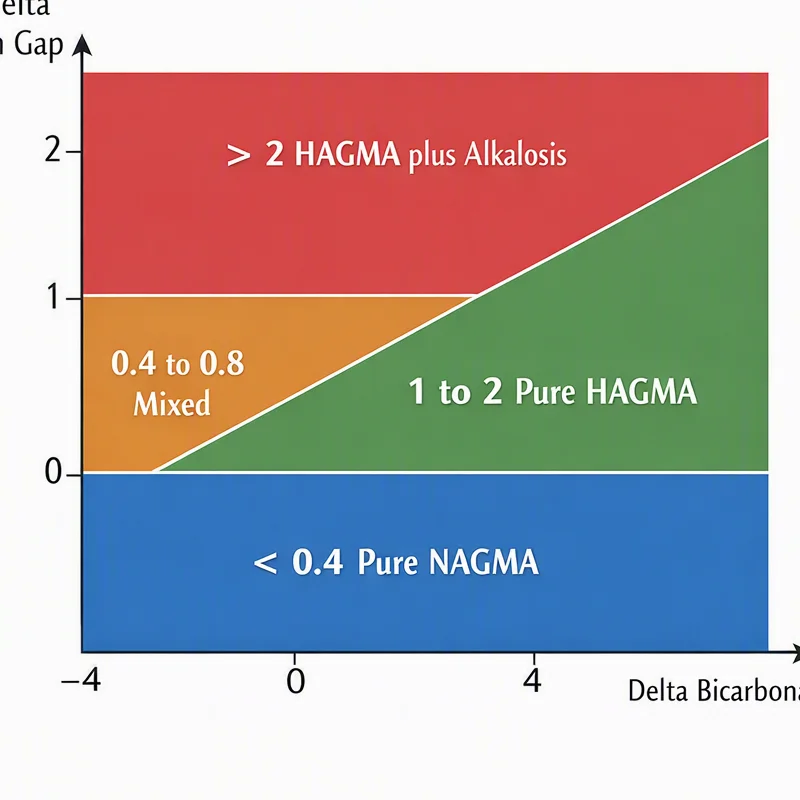
Magnesium changes should also be interpreted with the possibility of a mixed disorder. For example, someone may have metabolic acidosis from another cause while also having a low anion gap from hypoalbuminemia or excess magnesium. The net laboratory result may therefore minimize the severity of the underlying acid-base disorder if only the calculator is used without clinical context.
When a Reduced Anion Gap Requires Follow-Up
A reduced anion gap does not necessarily need urgent action, but it should not be ignored if it is persistent, surprising, or paired with symptoms. The starting point is often repeat testing, especially if the result seems inconsistent with the patient’s condition. Repeating the chemistry panel can help identify a one-time lab artifact or specimen problem.
If the result remains low, the next step is to confirm whether there is a true electrolyte disturbance. This may involve checking albumin, total protein, magnesium, kidney function, and medication exposure. If the clinical picture suggests an acid-base problem, a blood gas can provide additional information about pH, carbon dioxide, and bicarbonate status.
A blood gas is especially helpful when the chemistry panel suggests metabolic acidosis or another acid-base disorder that does not fully match the anion gap. In some situations, the anion gap calculator gives a useful starting point, but the blood gas clarifies whether the issue is respiratory, metabolic, or mixed.
Additional evaluation is more important when the low gap could reflect paraproteinemia, lithium toxicity, or significant hypermagnesemia. The clinical context determines urgency. For example, a patient with symptoms, abnormal kidney function, or a medication exposure history may need prompt evaluation, while an isolated low value without symptoms may simply need confirmation.
Practical follow-up often includes:
- Repeat testing on a fresh sample
- Evaluation of the full electrolyte panel
- Measurement of albumin and total protein
- Check of serum magnesium and renal function
- Blood gas if an acid-base disorder is suspected
- Assessment for medication-related or analytic causes
The key point is that a low result should be approached as a clue, not a diagnosis. The goal is to determine whether it reflects a true biologic change, an issue such as hypoalbuminemia, or a misleading laboratory result.
Frequently Asked Questions: Low Anion Gap and Hypermagnesemia
Can you hypermagnesemia lower the anion gap?
Yes, it can. Hypermagnesemia can lower the anion gap because magnesium is an unmeasured cation. However, the effect is often slight unless the magnesium level is substantially elevated. In many cases, other causes such as hypoalbuminemia or lab artifact are more relevant.
How exactly does an Anion Gap Calculator work?
An anion gap calculator takes the values from the electrolyte panel—typically sodium, chloride, and bicarbonate—to determine the gap. Some calculators also include albumin for a corrected anion gap, which helps adjust for low albumin and enhances interpretation.
What are the most common causes of a low anion gap?
The most common causes include hypoalbuminemia, paraproteinemia, and lab artifact. Less common causes include lithium toxicity, bromide interference, and elevated magnesium. The correct differential diagnosis depends on the full patient picture.
Does low albumin affect the anion gap calculation?
Yes. Low albumin can markedly reduce the calculated gap because albumin is a major negatively charged protein. That is why many clinicians use albumin correction or a corrected anion gap when assessing results. Without that adjustment, a low value may be deceptive.
At what point should a low anion gap be repeated or evaluated further?
A low result should be repeated if it is unanticipated, does not fit the patient’s condition, or might reflect lab artifact. Further evaluation is warranted if the low gap persists, if there is evidence of electrolyte imbalance, if blood gas results suggest an acid-base disorder, or if there is concern for hypermagnesemia, renal failure, or another underlying condition.