Anion Gap Calculator for Nurses: How to Understand the Results
An anion gap calculator is a useful tool nurses can use to quickly calculate anion gap values and assist with bedside lab interpretation. While the math is simple, the clinical meaning is what matters most. The anion gap helps nurses evaluate acid-base disorders, identify patterns consistent with metabolic acidosis, and recognize when a patient may need urgent follow-up.
For nursing practice, the value is not just a number from an electrolyte panel. It is a clue that should be interpreted alongside the basic metabolic panel, comprehensive metabolic panel, patient symptoms, and broader nursing assessment. Knowing how to use the result improves patient assessment, strengthens documentation, and helps with timely provider notification.
What this Anion Gap Represents
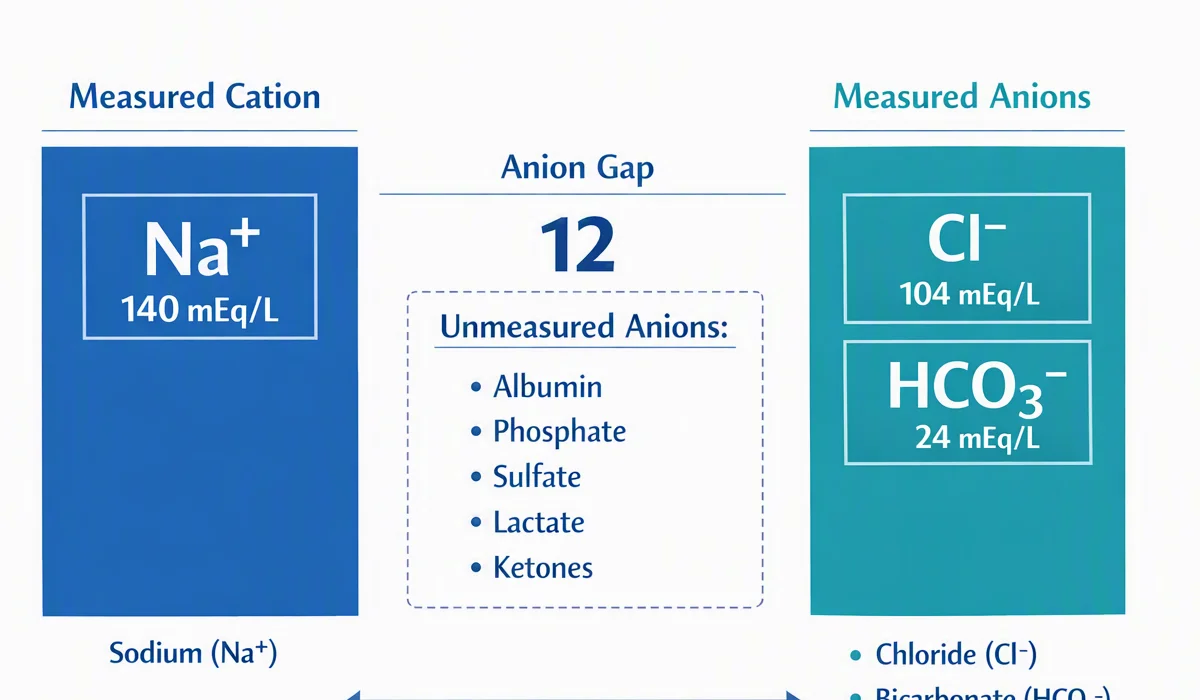
The anion gap is an approximate difference between measured electrolytes in the blood. It shows the relationship between positively charged and negatively charged particles and is particularly useful in assessing acid-base balance. In everyday practice, nurses often see it reported on a basic metabolic panel or comprehensive metabolic panel after a specimen is processed.
In most cases, the calculation uses sodium, chloride, and bicarbonate. Some formulas also modify the result for albumin because albumin is a major unmeasured anion and can significantly affect the apparent gap. When albumin is low, the measured gap may look falsely normal or low, even when an acid disturbance is present.
For nurses, the best way to think about the anion gap is as a quick indicator for hidden acids in the blood. A changed value can point toward a metabolic derangement that deserves closer evaluation. It does not diagnose the cause by itself, but it helps direct the next step in clinical correlation.
How the Anion Gap Calculator Works
An anion gap calculator uses the standard anion gap formula using serum sodium, serum chloride, and serum bicarbonate. In most situations, the calculation is:
Anion gap = sodium - (chloride + bicarbonate)
Some calculators also allow nurses to correct for albumin. This creates an albumin-corrected anion gap, which can better reflect the patient’s true acid-base status when albumin is abnormal. This is particularly useful when reviewing specimen results on a patient with malnutrition, chronic illness, or significant inflammation.
Why does this matter in nursing practice? Because the same number can mean different things depending on the clinical context. A mildly elevated anion gap in a stable patient may need repeat testing and observation, while the same value in a sick patient with tachypnea, confusion, or hypotension may represent a serious emergency. The calculator supports quick interpretation, but the bedside picture determines urgency.
It is also essential to remember that the value often comes from an existing electrolyte panel rather than a separate test. Nurses do not need to order a special panel to see the result, but they do need to interpret it carefully within the full metabolic picture.
Normal Anion Gap Range and Factors That Affect It
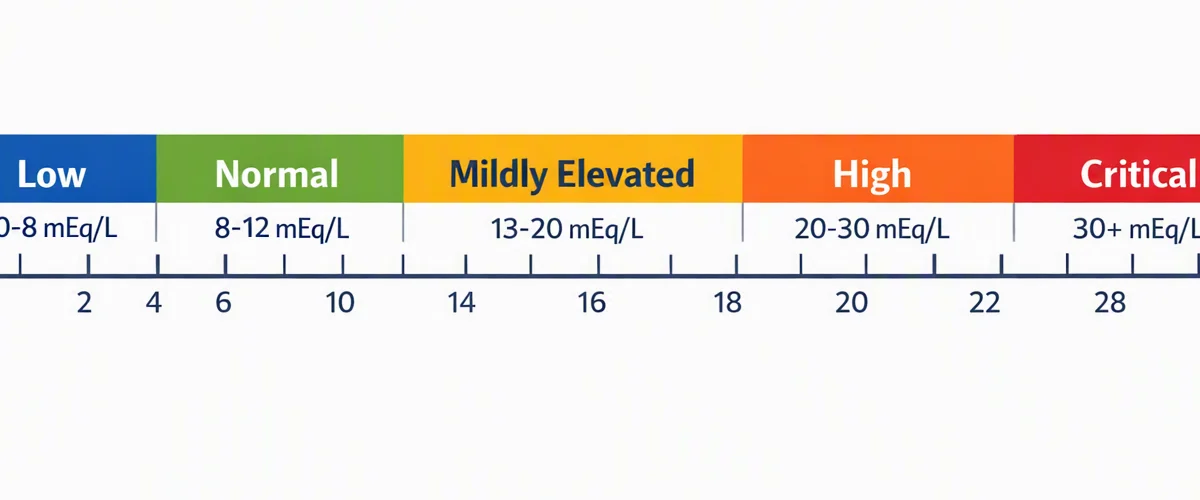
The normal range for the anion gap can vary depending on the laboratory method, analyzers, and whether a correction is applied. This is why nurses should always confirm the reference interval listed by the reporting lab instead of relying on memory alone. A result that seems normal in one system may be a bit different in another because of lab variation.
Correction for albumin is one of the most important influences on interpretation. Lower albumin lowers the measured gap because albumin contributes negatively charged particles to the blood. If albumin is low, the result may miss the degree of unmeasured acids present. That is why an anion gap corrected for albumin can uncover a hidden metabolic problem.
Free calcium can also affect the balance of measured ions, though it is not part of the formula itself. Changes in ionized calcium may alter the broader electrolyte environment and should be considered during a complete clinical assessment, especially if the patient has other signs of electrolyte imbalance. Nurses should not place too much emphasis on the anion gap in isolation when other chemistry values are also changing.
In day-to-day nursing practice, trend matters as much as the single number. A stable result within the reference range is less concerning than a rapidly changing value, especially when the patient’s symptoms are worsening. This is where changes in trend become essential to interpreting lab results.
High Anion Gap Metabolic Acidosis: Common Causes
A higher value can point to high anion gap metabolic acidosis, which means the body has collected acids that are not being directly measured on a standard chemistry panel. This is one of the most important patterns nurses need to recognize because it can reflect serious, time-sensitive illness.
Typical causes include lactic acidosis, ketoacidosis, renal failure, and toxins. Each has a unique nursing implication, but all require careful assessment and timely escalation when the patient is unstable.
Lactic acidosis may occur with poor tissue perfusion, shock, severe infection, hypoxia, or other conditions that impair oxygen delivery. Nurses may see this alongside tachycardia, low blood pressure, altered mental status, or evidence of worsening perfusion.
Ketoacidosis is often associated with diabetes, starvation, or alcohol-related metabolic stress. Patients may have dehydration, abdominal pain, vomiting, fruity breath, or deep breathing. The anion gap helps reinforce the suspicion of an underlying acid load, especially when paired with other abnormal chemistry findings.
Renal failure can raise the anion gap because the kidneys are unable to excrete acids effectively. As kidney function declines, acids accumulate and the patient can develop worsening metabolic acidosis. Nurses should watch for changes in urine output, swelling, confusion, and rising creatinine or BUN on the chemistry panel.
Toxins or toxic ingestion can also produce a high gap. Depending on the substance involved, the patient may present with neurological changes, tachypnea, or unexplained deterioration. In these situations, the gap is a clue that should trigger urgent evaluation and immediate communication with the provider.
For nurses, the main question is not just “Is the gap high?” but “What is causing the metabolic acidosis, and how ill is the patient right now?” That question anchors safe clinical decision-making. Early recognition can support reduce hesitation in intervention.
Normal Anion Gap Metabolic Acidosis: Common Causes
A usual anion gap doesn't exclude acidosis. It may instead indicate normal anion gap metabolic acidosis, sometimes called chloride-responsive acidosis. In these cases, the body loses bicarbonate and chloride increases to preserve electrical balance, so the gap remains in the expected range even though acid-base status is disturbed.
Frequent causes include diarrhea, renal tubular acidosis, hyperchloremia, and additional causes of bicarbonate loss. Nurses often observe this pattern in patients with gastrointestinal losses, kidney problems, or large-volume chloride-containing fluid administration.
Diarrhea can cause substantial bicarbonate depletion, leading to metabolic acidosis. Patients may appear debilitated, dehydrated, and tachycardic. When stool losses are ongoing, the electrolyte pattern can evolve fast, so repeat testing may be needed.
Renal tubular acidosis occurs when the kidneys cannot properly handle acid or bicarbonate. It can be hard to identify without considering the full clinical picture, including urine findings and the patient’s history. Nurses may notice ongoing acidosis even when kidney filtration is not severely reduced.
Hyperchloremia often accompanies normal gap acidosis because chloride increases as bicarbonate falls. This pattern can occur after fluid replacement or during additional therapies. Nurses should compare the latest values with prior labs to understand whether the changes reflect disease progression or treatment effect.
Identifying this pattern helps prevent missed diagnoses. A “normal” anion gap does not mean the patient’s acid-base status is normal. It simply means the cause of acidosis may be something else.
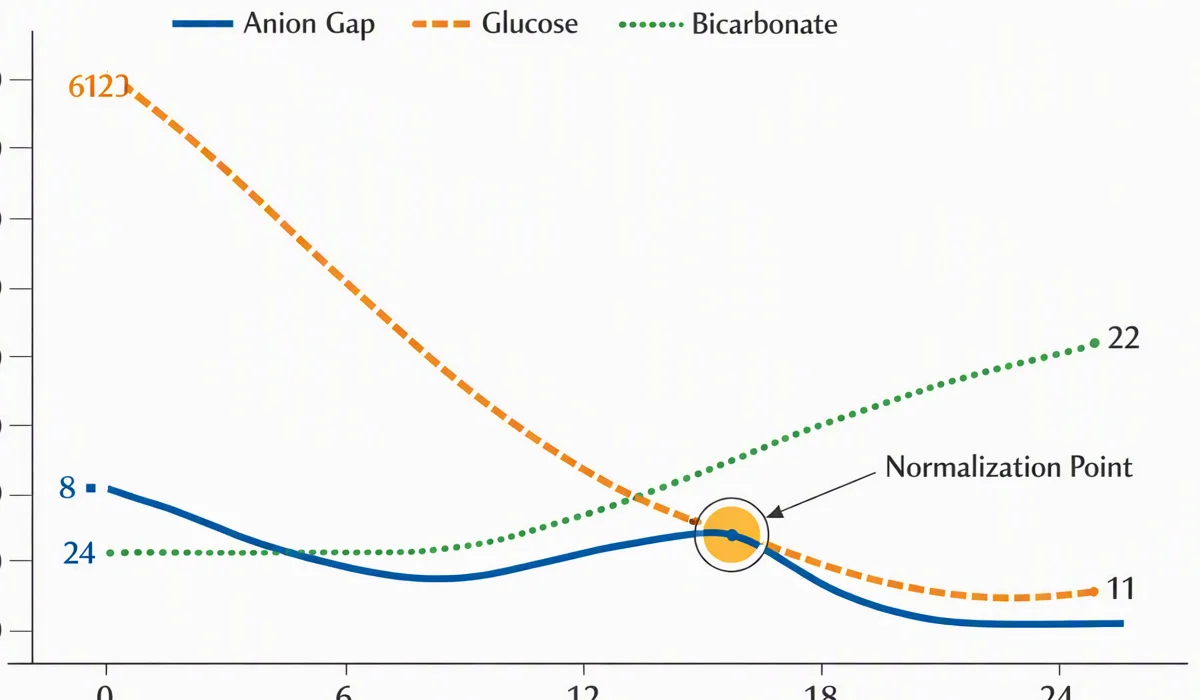
Nursing Assessment and Clinical Correlation
The Anion Gap Calculator should routinely be combined with a thorough patient assessment. Numbers alone do not reveal the full picture. Start with the patient’s key vitals, including heart rate, blood pressure, oxygen saturation, temperature, and respiratory rate. These can show physiologic stress long before a provider reviews the chart.
Alterations in level of consciousness are especially important. Confusion, agitation, lethargy, or decreased responsiveness may signal worsening acid-base disturbance, poor perfusion, or an underlying emergency such as sepsis or severe intoxication. Mental status changes should be treated as high-priority findings.
Look at compensatory breathing. Patients with metabolic acidosis often breathe faster or deeper to lower carbon dioxide and partially correct the acid imbalance. This compensation can appear as tachypnea, Kussmaul-type breathing, or increased work of breathing. If the patient is tiring, compensation may be insufficient.
An arterial blood gas can provide a more complete view of the acid-base disorder. It helps identify pH, carbon dioxide, and bicarbonate status, and it can confirm whether respiratory compensation is adequate. When the anion gap is abnormal, the ABG adds required context for clinical correlation.
Nurses should also link the chemistry values to symptoms and history. For example, a patient with vomiting, dehydration, and confusion may have a different explanation than a patient with infection, hypotension, and elevated lactate. Interpretation should consistently reflect the overall patient assessment, not just the lab report.
When to Raise Findings to the Care team
Some test https://anion-gap-tool502.bearsfanteamshop.com/what-does-an-anion-gap-of-12-indicate results require rapid escalation because they may signal a critical value or a quickly evolving clinical condition. Nurses should alert the provider when the anion gap is significantly abnormal, especially if the patient also shows hemodynamic changes, fresh symptoms, or declining trends.
Escalate immediately if the abnormal gap appears with concern for sepsis, acute kidney injury, or a worsening electrolyte imbalance. These conditions can progress fast and require prompt intervention. The gap may be one of the initial signals that the body is unable to compensate.
Also escalate if the patient has rising confusion, respiratory distress, hypotension, decreased urine output, or signs of shock. A high anion gap in a sick patient can be a marker of significant metabolic derangement. If the patient is deteriorating, do not wait for a routine review.
If uncertain, report clearly and promptly. It is preferable to give an early heads-up than to delay action while waiting for more data. The anion gap is a helpful screening tool, but the patient’s condition determines the urgency.
How Nurses Should Record and Relay Results
Thorough documentation turns a lab value into a useful clinical record. Nurses should chart the anion gap result, associated chemistry values, the patient’s symptoms, focused assessment findings, and any actions taken. Include what was reported, when it was reported, and to whom.
Trend analysis is highly important. A single result may be less useful than a sequence of values showing improvement or worsening. Document whether the gap is increasing, falling, or remaining stable, and note related changes in bicarbonate, chloride, and other components of the panel.
SBAR is an efficient way to communicate abnormal results. Use Situation to identify the abnormal finding, Background to summarize relevant history, Assessment to explain the current clinical picture, and Recommendation to state the needed follow-up. This structure helps ensure the provider receives a concise and concise report.
For one example, a nurse might state that a patient has a elevated anion gap, low bicarbonate, tachypnea, and new confusion, then suggest immediate review and further workup. That kind of communication supports patient safety and minimizes delays in care.
Good charting should document not just the specimen results but also the nursing response. If you repeated vitals, escalated to the provider, or initiated monitoring, document that action precisely. This provides a transparent record of clinical reasoning and intervention.
Frequently Asked Questions
What is an anion gap calculator used for?
An anion gap calculator is used to quickly calculate anion gap values from a chemistry panel and assist nurses interpret lab results. It promotes recognition of metabolic acidosis, guides identify possible causes of acid-base disorders, and guides clinical correlation with the patient’s condition.
What is a normal anion gap range?
The normal range depends on the laboratory’s reference range and method, so nurses should always check the reported interval. Some labs use slightly different cutoffs because of lab variation, and albumin status can also affect interpretation.
Why do nurses correct the anion gap for albumin?
Nurses correct the anion gap for albumin because low albumin can hide an elevated gap and make the result look more normal than it really is. An albumin-corrected anion gap provides better interpretation when albumin is abnormal and improves recognition of hidden metabolic acidosis.
What causes a high anion gap?
Common causes of a high gap include lactic acidosis, ketoacidosis, renal failure, and toxic ingestion. These conditions can increase unmeasured acids in the blood and lead to high anion gap metabolic acidosis.
When should a nurse notify the provider about an abnormal anion gap?
Notify the provider when the abnormal result is severe, worsening, or associated with symptoms such as confusion, tachypnea, hypotension, or suspected sepsis or acute kidney injury. Any likely critical value or concerning change in the patient’s status should prompt timely provider notification.